
At the 2026 Indian Gaming Tradeshow & Convention in San Diego, equipment makers and tribal operators pushed back against the idea that table games are obsolete — instead showing how side bets, electronic table games (ETGs) and hybrid products are being used to increase volatility, reduce labor strain and modernize pits while staying inside regulatory limits.
New hardware on the floor — Light & Wonder, IGT and Everi demonstrated different paths
Light & Wonder highlighted the Obsidian Hybrid table and Obsidian Virtual Pit, devices that combine interactive bet sensors, dual-sided signage and linked live/virtual play so dealers and remote players share one card set. The company demonstrated dynamic sound systems and bet-tracking that aim to streamline dealer tasks and keep social table interaction intact.
IGT previewed IGT ADVANTAGE X and new cabinet designs focused on mobile integration, while Everi emphasized cashless funding and the Vi Class II mobile solution. Onstage demos and vendor briefings at the show repeatedly framed these product lines as compliance-first: more secure funding rails, audit logging for anti-money-laundering checks, and integrations intended for tribal regulatory reporting.
How side bets and ETGs change math, labor and player appetite
At IGA 2026 operators described side bets such as Lucky Ladies and 21+3 as reliable ways to boost hold percentages well above classic table-game levels; those bets appeal to players seeking higher volatility and short-term payoff swings. That shift alters the customer mix — by design attracting recreational and high-variance players while raising the casino’s take on individual hands.
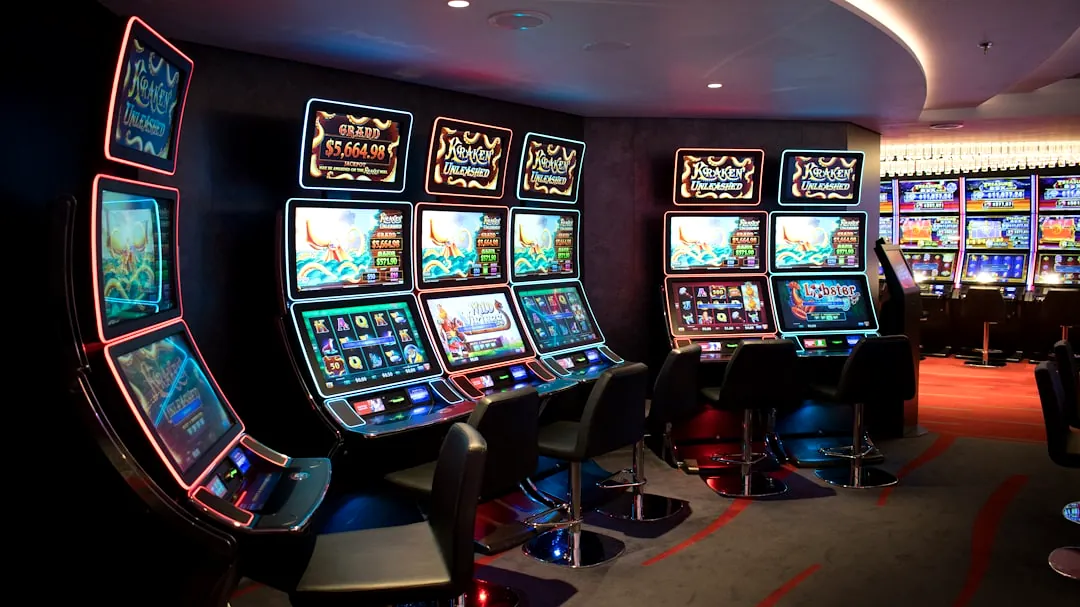
Electronic table games remain a small but strategic slice of floors — roughly 2% of EGM mix on many casino floors — yet they serve as a low-friction on-ramp for new players and a tool to handle math-heavy features like progressive jackpots that are difficult for dealers to administer manually. ETGs also relieve staffing pressure in late shifts, though their classification matters: where regulators treat ETGs like slots, large wins can trigger tax-reporting forms (W-2G for wins over $2,000) and payout mechanics (e.g., capped odds such as 2X on some craps ETGs) that deter certain VIPs.
Regulatory limits, compliance tools and practical deployment checks
Tribal operators at the tradeshow stressed that regulatory classification and payout caps are the main constraints on deployment. Practical checkpoints include whether a new ETG will be reported as a slot game in the jurisdiction (affecting W-2G exposure), whether progressive jackpots can be audited in the casino’s systems, and whether local rules permit the hybrid linking of virtual play to live dealers. These are not abstract concerns — misclassification can change player acceptance overnight and create unexpected tax or reporting obligations.
Vendors addressed those worries with compliance-focused offerings: IGT’s ADVANTAGE X emphasizes audit trails and player wallet controls, while Everi’s cashless funding and anti-money-laundering workflows were presented as tools tribal regulators can inspect or incorporate into licensing conditions. Operators should verify licensing amendments, check how a machine’s win triggers taxable reporting, and confirm that any mobile or NFC login (like Light & Wonder’s cardless options) meets local privacy and KYC standards before wide rollout.
| Offering | Operator benefit | Regulatory / player checkpoint |
|---|---|---|
| Side bets (Lucky Ladies, 21+3) | Higher hold, increased volatility, stronger short-term engagement | Clearly disclose odds and variances; consider messaging for risk-aware players |
| ETGs (~2% of EGM mix) | Gateway for new players, automates complex math and progressives | Check classification (slot vs. table), W-2G triggers (wins > $2,000), and payout caps (e.g., 2X odds) |
| Hybrid tables (Obsidian Hybrid / Virtual Pit) | Preserves live interaction while adding digital features and remote play | Verify connectivity, licensing for linked play, and integration with casino systems |
Decision lens: when to pilot, pause or scale
Start small and instrument everything. Traders and operators at the show recommended piloting side bets or an ETG bank for a defined period — 60 to 120 days — with predefined KPIs: change in hold percentage, shift in average bet size, staff-hours saved, and incidence of reportable wins (W-2G). If the pilot raises hold with manageable player complaints and no unexpected reporting events, scale; if W-2G triggers or regulatory feedback increases administrative cost above the pilot’s incremental margin, pause and reassess.


Practical stop signals include a >15% rise in reportable large wins, a sustained drop in live-table attendance, or unresolved integration gaps with cashier systems (payment and withdrawals). Operators should also demand that vendor contracts include explicit support for audit requests and logging retention consistent with tribal commission rules.
Quick Q&A
Q: How soon should a tribal operator consider ETGs?
A: If floor labor is tight or you need an on-ramp for casual players, pilot within 6–12 months but only after confirming local classification and W-2G implications.
Q: When are side bets inappropriate?
A: Avoid heavy side-bet promotion in venues with a large banking/VIP clientele that expects low variance and where increased volatility could depress long-term play.
Q: What’s the next verified checkpoint for operators?
A: After pilots, the next verification is a regulatory review and public disclosure update — confirm that your tribal gaming commission accepts the product classification and that cashless workflows meet KYC/AML standards.